























Vesicoureteral Reflux Center
Vesicoureteral reflux is a condition in which urine flows in the wrong direction, going from the bladder back up toward the kidneys. Children with the disorder commonly get urinary tract infections and may wet the bed or say that it hurts when they urinate. If left untreated, the condition can lead to kidney infections, which can cause temporary or permanent damage to the kidneys.
At the UCSF Pediatric Vesicoureteral Reflux Center, we are experts in diagnosing and treating this condition, and our compassionate approach to care focuses on keeping kids as comfortable as possible and reassuring worried parents. The test used to diagnose vesicoureteral reflux, called a voiding cystourethrogram, sometimes alarms parents because it requires urethral catheterization (placing a thin, flexible tube in the urethra). Fortunately, our nurse practitioners are very experienced in placing these catheters and can make the process as quick and painless as possible. They also can review the test results immediately afterward, a service that’s not available at most clinics.
We develop an individualized treatment plan for each patient that takes into consideration the severity of their condition as well as their family’s wishes. Some children outgrow the condition and in the meantime can be treated with daily antibiotics to prevent infections and behavioral modifications to prevent accidents. For other children, surgery is necessary to repair the valve that’s allowing urine to flow the wrong way. With expertise in endoscopic techniques, our doctors seek to perform these procedures in the least invasive way possible for each child.
Our locations (5)


Awards & recognition
-

Best in Northern California for urology
-

Ranked among the nation's best in 11 specialties
Plan your visit
What to Bring
- Photo I.D.
- Health insurance card
- Insurance authorization, if required
- Doctor's referral, if required
- Recent test results related to your child's condition
- List of medications, including dosages, plus any your child is allergic to
- List of questions you may have
- Device or paper for taking notes




Support services












Our research initiatives
-
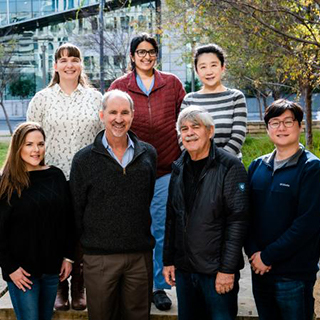
UCSF Baskin Lab
The Baskin Laboratory investigates the causes of pediatric urological diseases present at birth or acquired later. The lab's research has a special focus on curing and preventing hypospadias, in which the urethra's opening is on the underside of the penis.
Tender wagging care
Our therapy dogs spread joy and smiles at the bedside and throughout the hospital.
Visit Child Life services